
The White House’s draft order directs the Justice Department to take legal action against states implementing AI regulations. This follows Congress’s inability to pass a federal ban, indicating a growing divide over AI governance and its implications on innovation and regulatory oversight across various U.S. states.

💻 Nvidia CEO Dismisses AI Bubble Concerns
During Nvidia’s earnings call, CEO Jensen Huang argued against the notion of an AI bubble, highlighting ongoing demand for AI technologies. His remarks reflect confidence in AI’s real-world applications and future growth, suggesting a strong shift toward sustainable technology integration across various industries.
Read More:
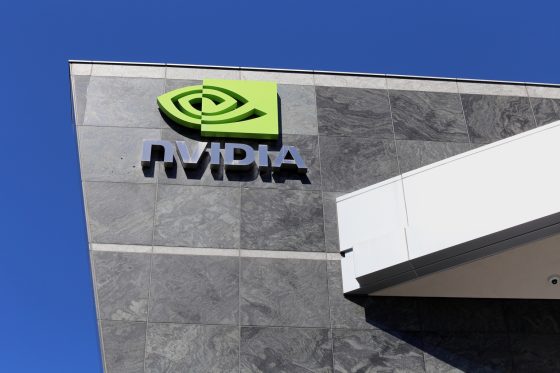
💹 Nvidia’s Record AI Earnings Amidst Market Uncertainty
Nvidia’s Q3 FY2026 earnings report highlighted record revenue driven by AI demand, raising questions about future profitability amidst potential market corrections. Analysts noted that despite strong performance, high valuations could limit investor returns, affecting stakeholders across the tech industry, particularly in semiconductor manufacturing.
Read More:
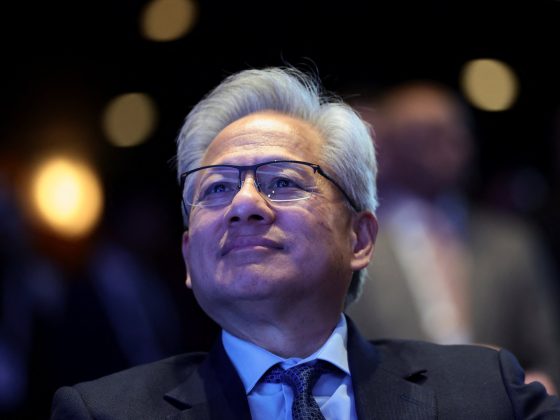
💻 Nvidia Exceeds Q4 Revenue Estimates Amid AI Demand
Nvidia forecasts its Q4 revenue will surpass estimates due to strong demand for AI chips, despite ongoing concerns about an AI bubble. Analysts suggest that increased investments in AI technology, particularly in data centers, are driving this growth in multiple countries, including the USA and Saudi Arabia.
Read More:
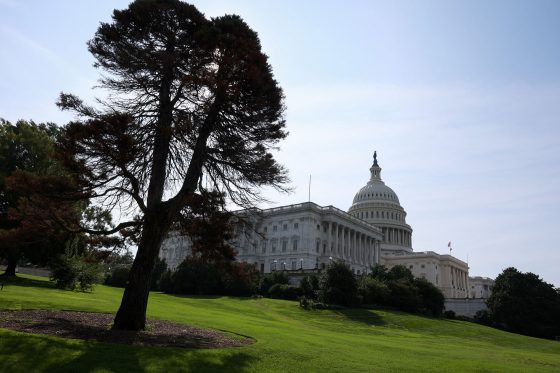
⚖️ AI Regulation Turmoil: Federal Preemption of State Laws Looms
Congressional Republicans are seeking to implement a national moratorium on state AI regulations, potentially undermining local governance. This move raises serious concerns about the implications for AI safety regulations across various states, affecting how AI technologies can be developed and deployed in places like California and New York.
Read More:

🤖 U.S. Cyber Command Appoints New Chief AI Officer Amid Cybersecurity Focus
U.S. Cyber Command has appointed a new Chief AI Officer, focusing on advancing military cyber capabilities. This leadership change addresses ongoing challenges in cybersecurity and aims to enhance the military’s readiness against emerging threats through AI technologies and strategies.
Read More:

🎶 Warner Music Partners with Udio for AI Music Platform
Warner Music has settled a copyright lawsuit with Udio, launching a subscription service enabling AI-generated music. Users can create remixes and covers using advanced AI tools to mimic artists’ voices and compositions, impacting creators and the music industry. This marks a significant step in AI’s role in copyright management.
Read More:

🤖 AI Regulation Concerns Rise in Pennsylvania
Bipartisan lawmakers in Pennsylvania express outrage over federal actions that could limit states’ abilities to regulate AI technologies. The proposed federal legislation aims to centralize authority, raising concerns about data security and industry accountability. Affected states and their legislative frameworks could face significant impacts amidst growing AI deployment.
Read More:
⚖️ Uber Faces Legal Action Over AI Pay Systems
Uber is facing proposed legal action over its AI-driven pay system, which allegedly violates data protection laws by fluctuating driver wages. The case could set precedents for AI in labor practices, affecting gig economy workers across various countries. If successful, it might prompt regulatory changes globally.
Read More:
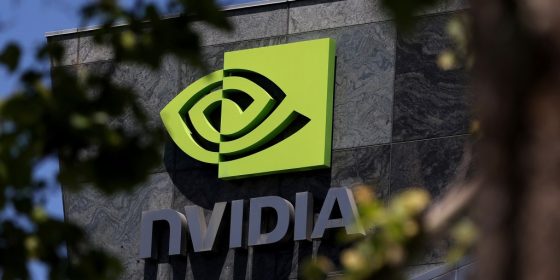
💻 Nvidia Earnings Report: Signals for AI’s Future
Nvidia’s earnings report ignites discussions on market trends relating to AI advancements. Analysts are analyzing data on chip production and allocations that impact sectors reliant on AI innovations, especially in tech-heavy markets. The results could influence investment directions in the AI industry significantly.