
A new synaptic device demonstrates significant potential in developing low-power photonic vision systems, crucial for energy-efficient AI applications. This innovation expands the horizons of neuromorphic computing, potentially impacting various sectors reliant on AI technologies for enhanced processing and efficiency, particularly in robotics and autonomous systems.

🤖 OpenAI Partners with Foxconn for AI Hardware Production
OpenAI and Foxconn are collaborating to design and manufacture advanced AI hardware in the US. This partnership aims to boost AI infrastructure, leveraging Foxconn’s manufacturing expertise to enhance AI applications across industries, potentially reshaping supply chains and tech landscapes in the US and Taiwan.
Read More:
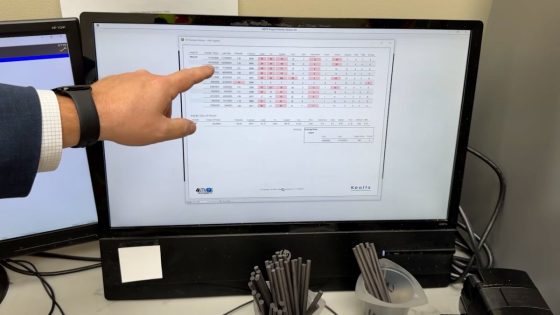
🔍 MBTA Implements AI for Proactive Maintenance
The MBTA harnesses AI for predictive maintenance, analyzing oil samples to foresee potential failures in its transit systems. This technology aims to enhance safety and operational efficiency. It represents a significant advancement in transportation technology impacting safety protocols across commuter rail services.
Read More:
📜 Trump Proposes Halt on State AI Regulations
President Trump plans to issue an executive order to discourage state-level AI regulations, potentially affecting compliance frameworks across various jurisdictions. This may undermine efforts by states like California to manage AI development responsibly, raising concerns about ethical standards and security implications in technology governance.
Read More:

🚨 Nvidia GPUs Smuggling Case Raises Security Concerns
Four individuals were charged for illegally exporting Nvidia AI chips to China, violating U.S. exports laws in a $3.8 million scheme. This highlights potential national security risks involving advanced AI technologies and their illicit dissemination to unauthorized countries, impacting U.S. technological advantage.
Read More:

🤝 Foxconn Teams Up with OpenAI for Advanced AI Hardware
Foxconn and OpenAI are set to collaborate on the design and engineering of advanced data center racks and AI hardware components. This partnership aims to enhance AI computing capabilities, focusing on developing high-performance infrastructure critical for data processing and machine learning tasks.
Read More:

🚨 Four Arrested in Scheme to Smuggle AI Chips to China
Two Chinese nationals and two U.S. citizens were arrested for illegally exporting advanced Nvidia chips, crucial for AI applications, to China. This operation raises significant security concerns over technology transfer and espionage risks, impacting national security and international trade relations.
Read More:

🖼️ Google Unveils Nano Banana Pro for Unlimited AI Images
Google’s new image generation model, Nano Banana Pro, allows users to create unlimited AI images. This release coincides with an Adobe promotion, enhancing accessibility for creators. The model leverages advanced diffusion techniques, democratizing AI art creation, especially for hobbyists and businesses in creative industries, boosting productivity significantly.
Read More:
🛡️ White House Proposes Federal AI Law to Streamline Regulations
Amid concerns over state-specific AI regulations, the White House is drafting an executive order to establish a unified federal standard for AI governance. This move aims to address legal disparities, improve compliance, and prevent fragmented implementation across states, impacting organizations with AI tools in various sectors.
Read More:

⚖️ Trump Seeks to Block State Regulations on AI Amid Safety Concerns
Former President Trump has proposed an executive order intended to prevent states from implementing their own regulations on AI technology. This move raises significant safety concerns in various sectors, prompting discussions on federal oversight versus state authority in managing AI implications across different industries.